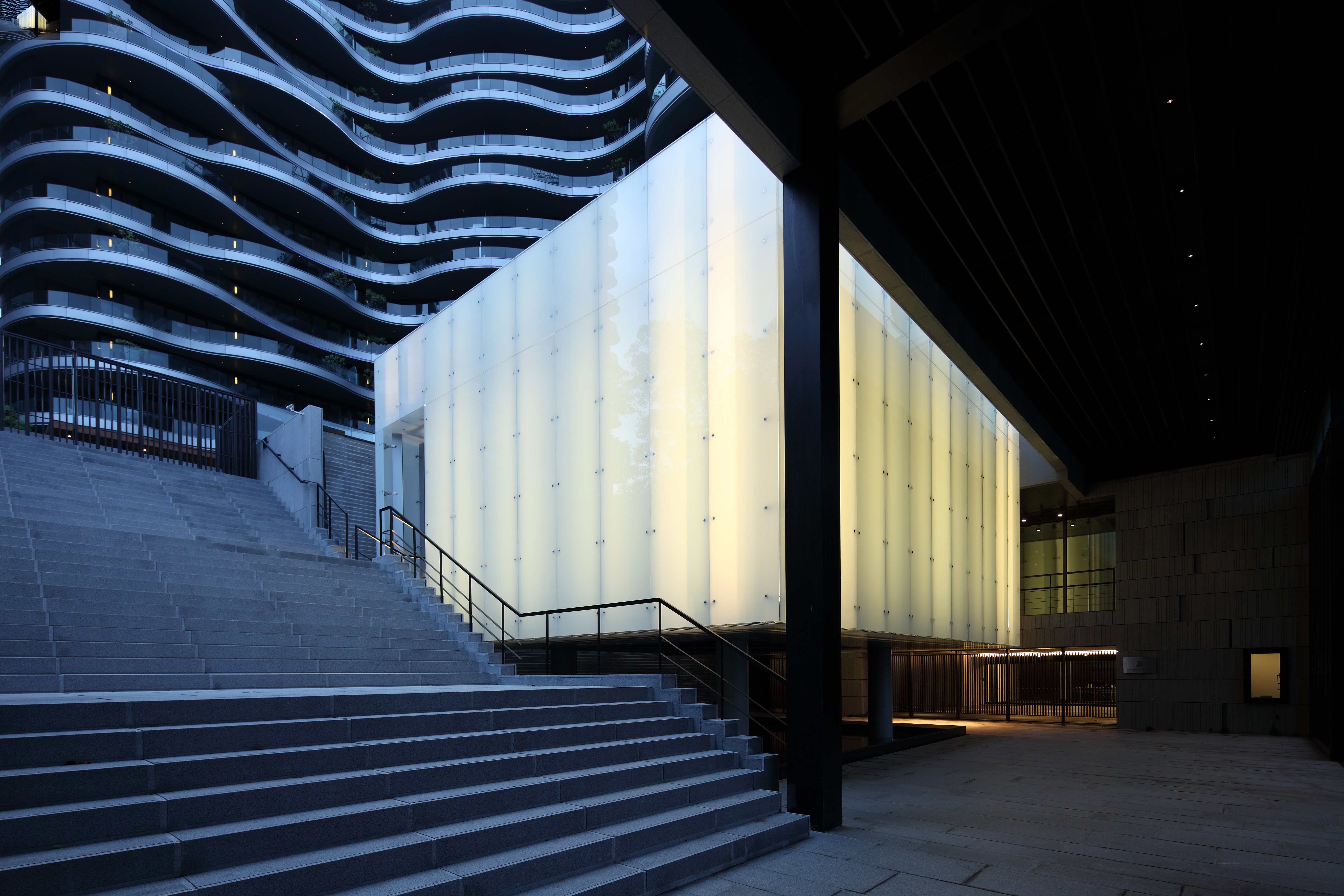
(Exterior of ART BOX)
On a rainy afternoon at the ART BOX gallery beside the Tamsui River in Taipei, we sat down with Yu-Neng Zhang — chairman of Dahin Development and a longtime patron of the arts — to talk about his decades-long friendship with Taiwanese artist Paul Chiang.
The conversation opened with a set of numbers. "This gallery opened in 2011, about fifteen years ago," Zhang said. "Paul Chiang was born in 1942 — exactly fourteen years before me. Which means that when he stood here for his first solo exhibition at a private museum in Taiwan, he was precisely the age I am now."
Standing at the same threshold of life, Zhang found himself seeing the paintings differently — not just as images on a wall, but as the testimony of a man his own age grappling with creativity, time, and what it means to keep going.
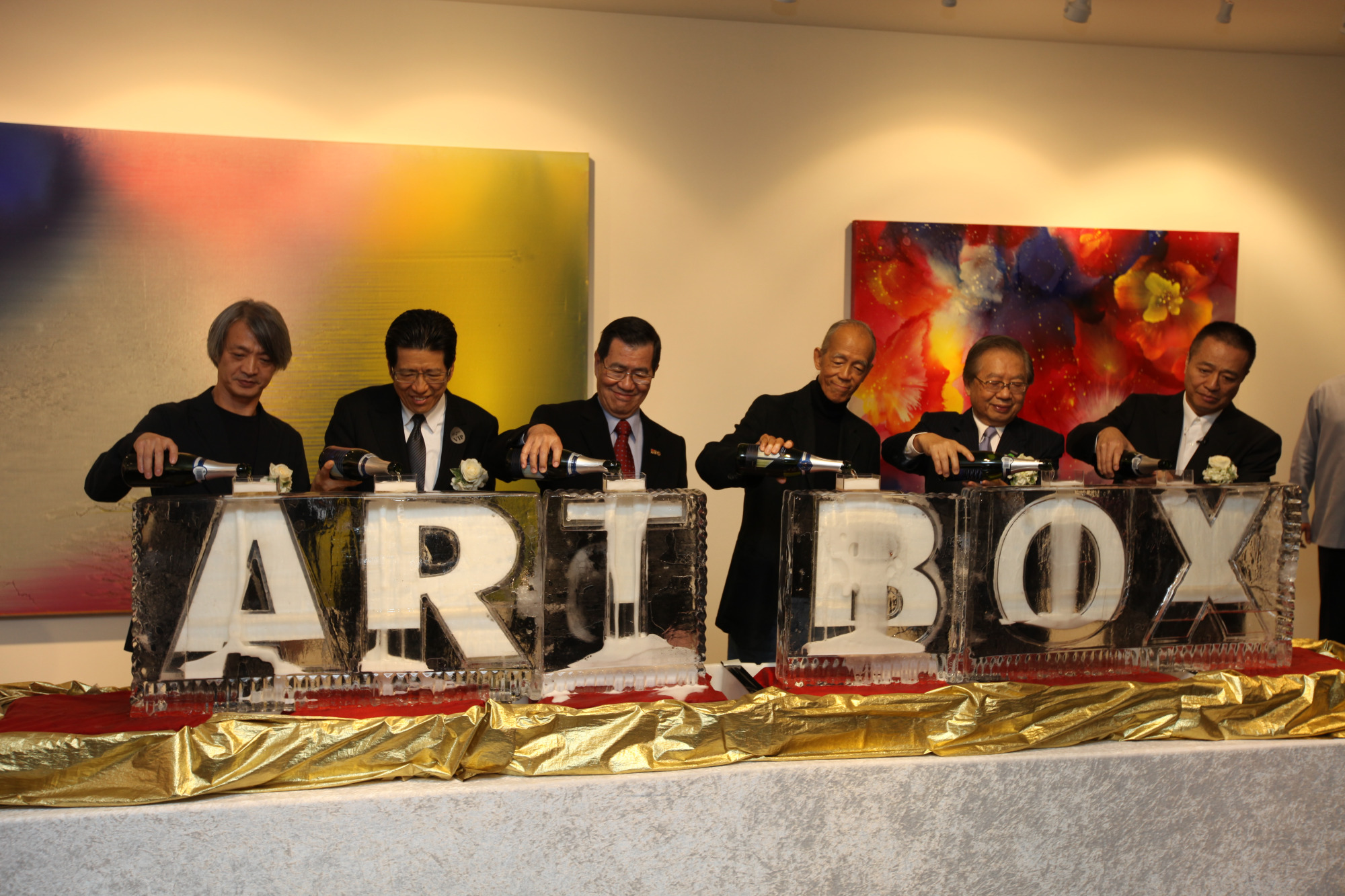
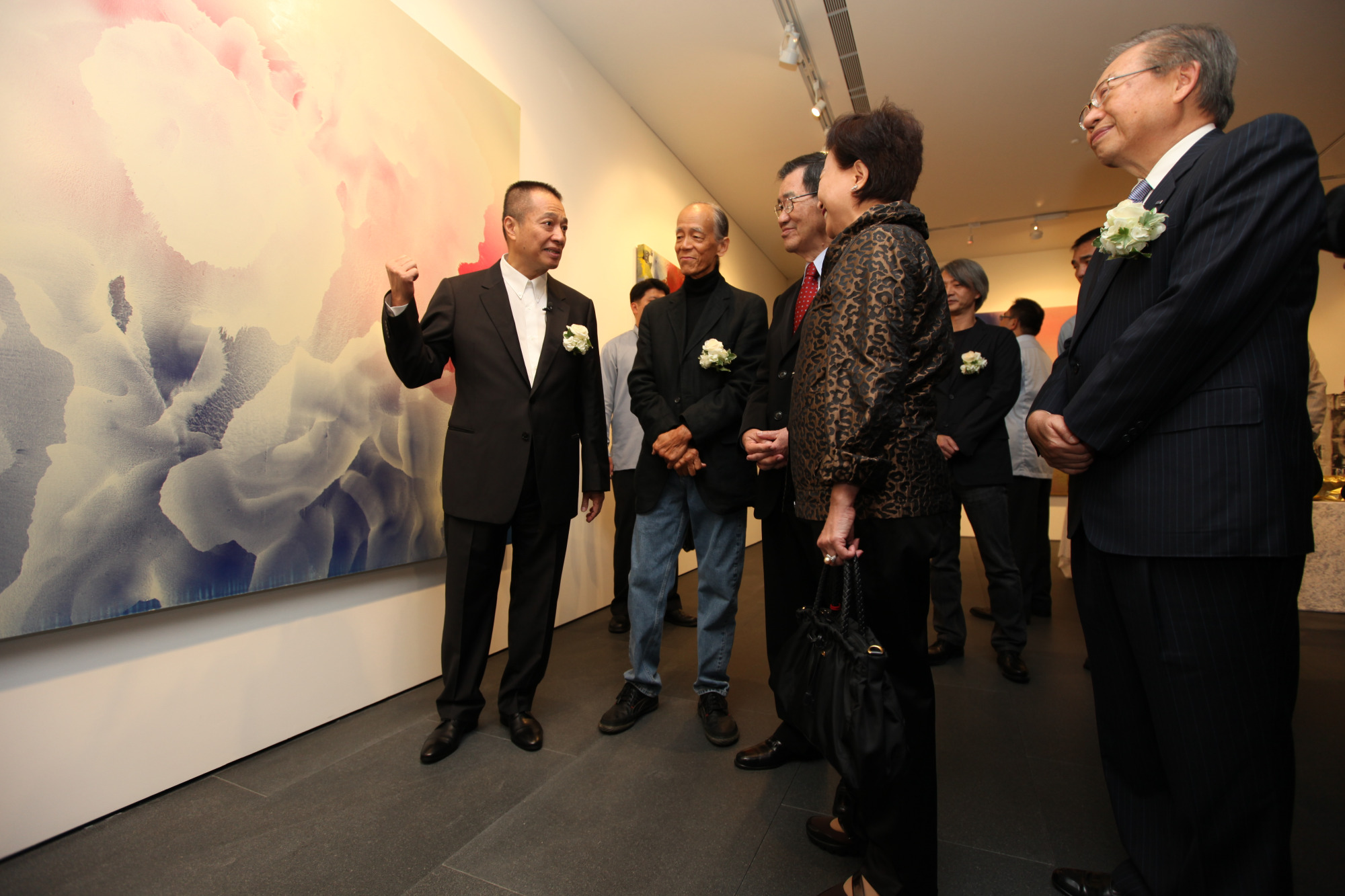
First Encounter
Zhang first encountered Chiang's work at Eslite Gallery in Taipei. "His paintings are distinctive — you don't know why you like them at first, you just do," he said. "Generous beauty is simply beautiful. You don't need high theory to start. Let yourself be drawn in, then look deeper." He was drawn in enough to buy a piece in installments — he wasn't wealthy at the time — and a friendship quietly took root.
Over the years, the two families traveled together to New York and Kyoto, experiences that deepened their friendship. During a trip to Kyoto in 2014, an unexpected phone call from a Taitung County official interrupted their stroll through the Garden of Fine Arts, designed by architect Tadao Ando. The official was reaching out to Chiang to explore a possible public art collaboration for Taitung Railway Station. Looking back, Zhang realized he had unknowingly witnessed the beginning of Chiang's enduring connection with Taitung—a relationship that would eventually lead to the creation of the Paul Chiang Art Center.
Painting Like Music
Paul Chiang is known for work that defies easy categorization — abstract, deeply meditative, built up in translucent layers over months or years. He lived and worked in Paris and New York for decades before returning to Taiwan, and his paintings carry the quiet of someone who has spent a very long time listening.
Zhang, who came to art history through his wife, through lectures by cultural critic and painter Chiang Hsun, and through years of reading before a trip abroad, brings an unusually musical ear to looking at paintings. Inside the gallery, he asked an assistant to put on classical music, then guided us through the works.
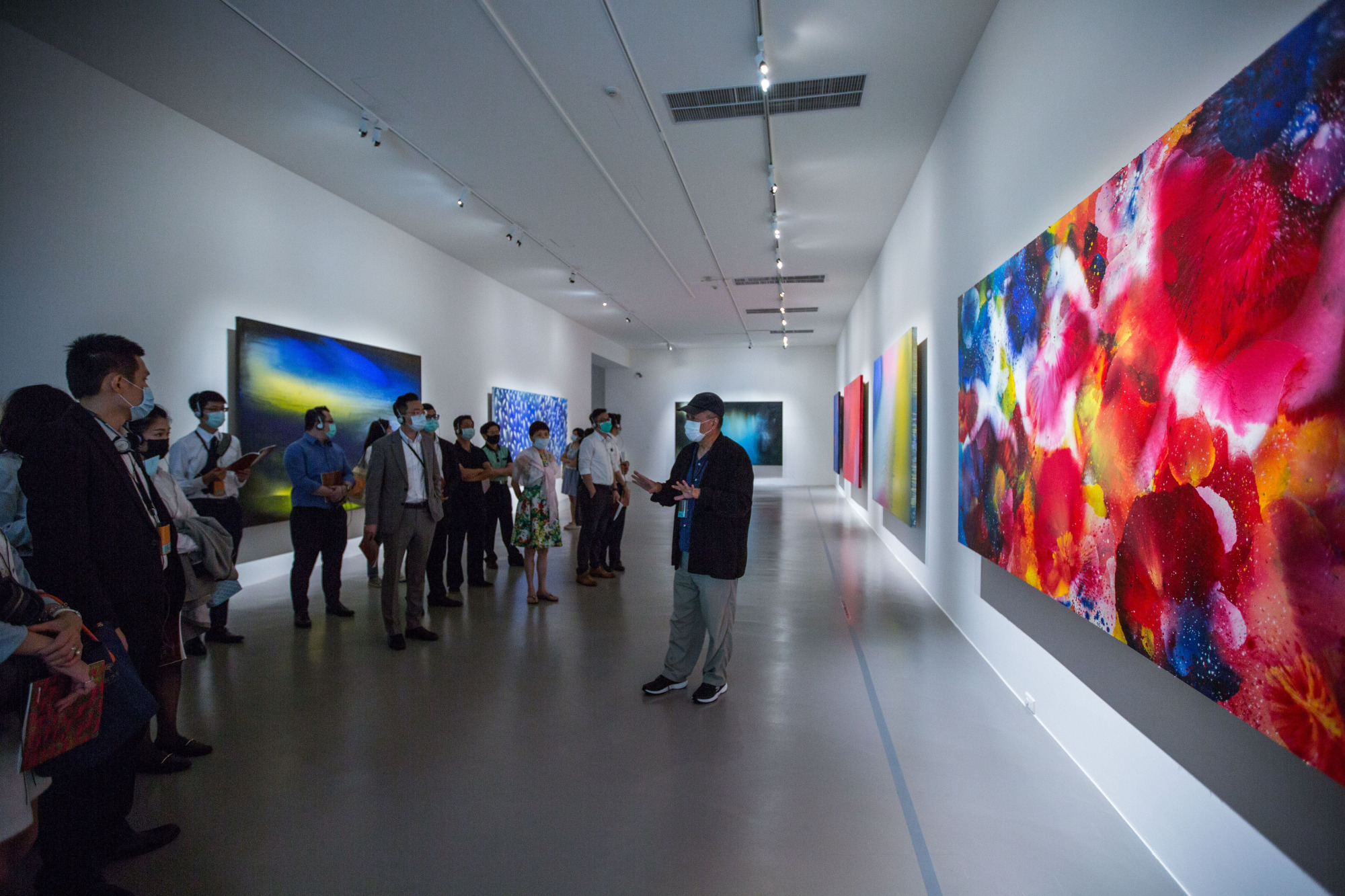
Standing before Pisirian — one of Chiang's exuberant late-period works, vibrant with color — Zhang pointed not to the boldness but to the transparency. "His oil paint looks almost weightless. There's a layered depth that extends inward." He compared it to the playing of violinist Hilary Hahn: "The finest performers produce a sound with no impurities between notes — perfectly clear. If you want to understand the transparency in Paul Chiang's paintings, listen to her play."
He finds Chiang's earliest works in each new series the most compelling. "The first pieces are the most alive — the artist is still uncertain, still struggling. There's a rawness to them." As a whole, he maps Chiang's career onto the arc of Bach's Goldberg Variations: a single life unfolding in movement after movement, each one a transformation of the last.
Debussy, Backwards
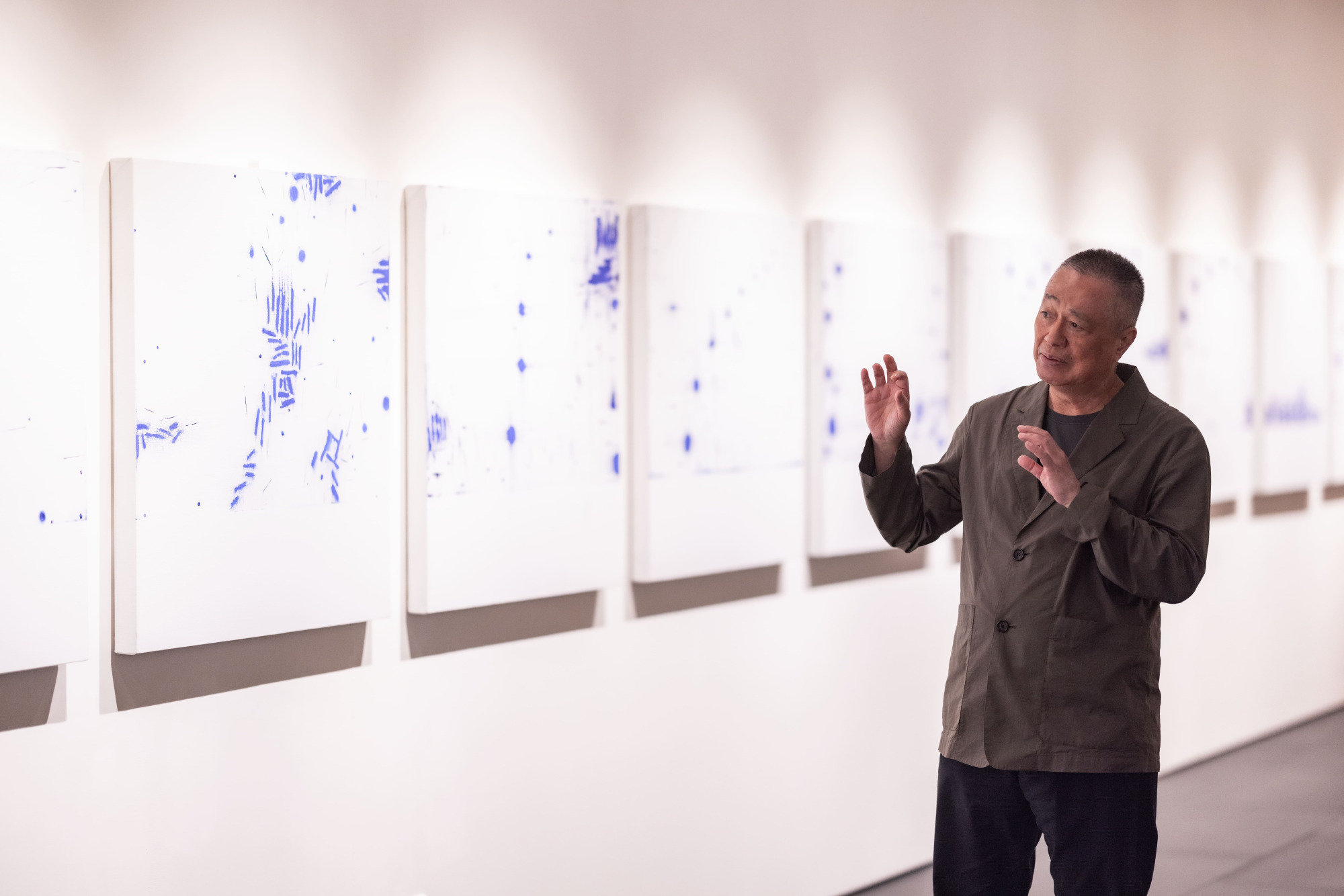
Among the works on display is the Debussy series, a collection of twelve paintings that carry a quiet historical irony. Claude Debussy, the French composer, was himself inspired by Symbolist poetry and Impressionist painting, departing from the dominant German Romantic tradition to create music that flows freely, like water or light. A century later, Paul Chiang took Debussy's music and translated it back into paint.
To create these works, Chiang set aside his brushes and used his fingers and twigs to press and drag oil paint across the canvas. Zhang once asked him whether the compositions contained hidden golden ratios or some underlying mathematical structure. Chiang's answer was simple: no. It was pure intuition.
"Some performers want to dazzle you immediately," Zhang said. "Others simply play the notes honestly, and the life emerges on its own. Paul Chiang is the second kind."
From The Iliad to The Odyssey
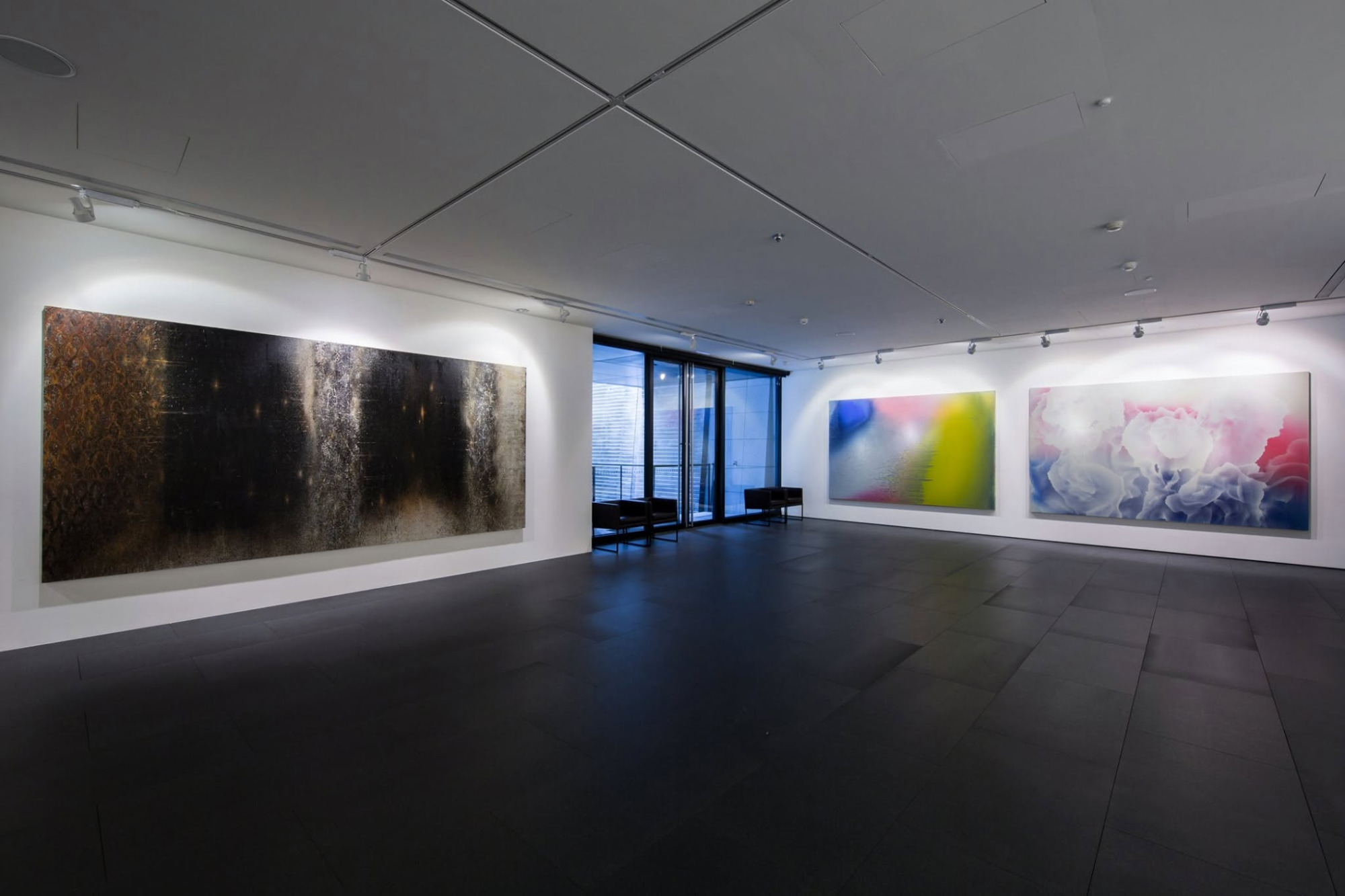
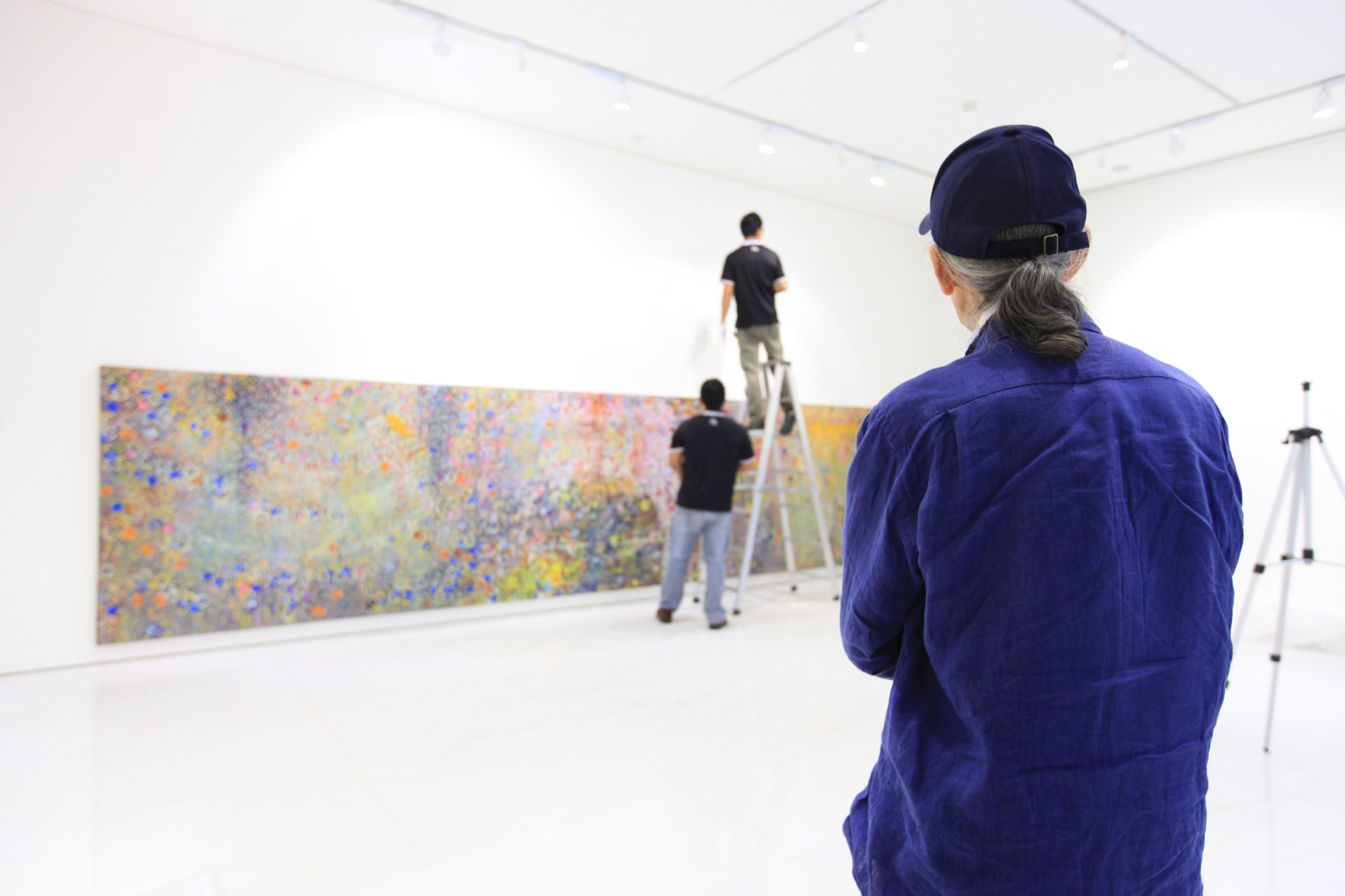
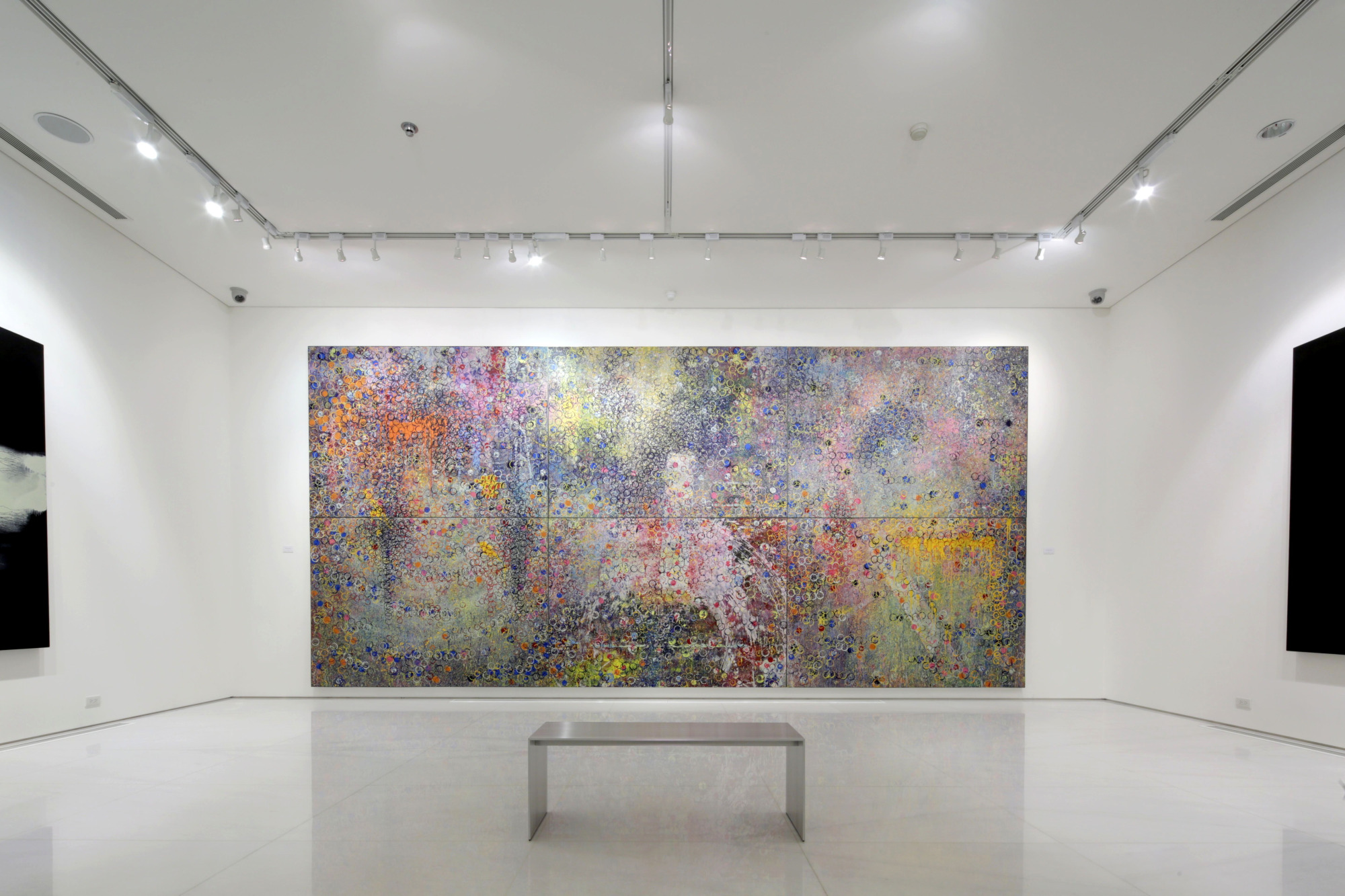
Following the gallery route, we arrive at On Wings of Song, a monumental multi-panel painting inspired by the celebrated collaboration between poet Heinrich Heine and composer Felix Mendelssohn. Created specifically for the proportions of the museum’s gallery, the work became a defining piece in both the artist’s exhibition and the space itself.
To Zhang, however, the painting also reflects something deeply personal: the shared life of Paul Chiang and his wife, Claire Fan. Decades of companionship — its joys, dreams, and quiet challenges—are layered into the canvas, inviting a dialogue between its individual panels and the work as a whole.
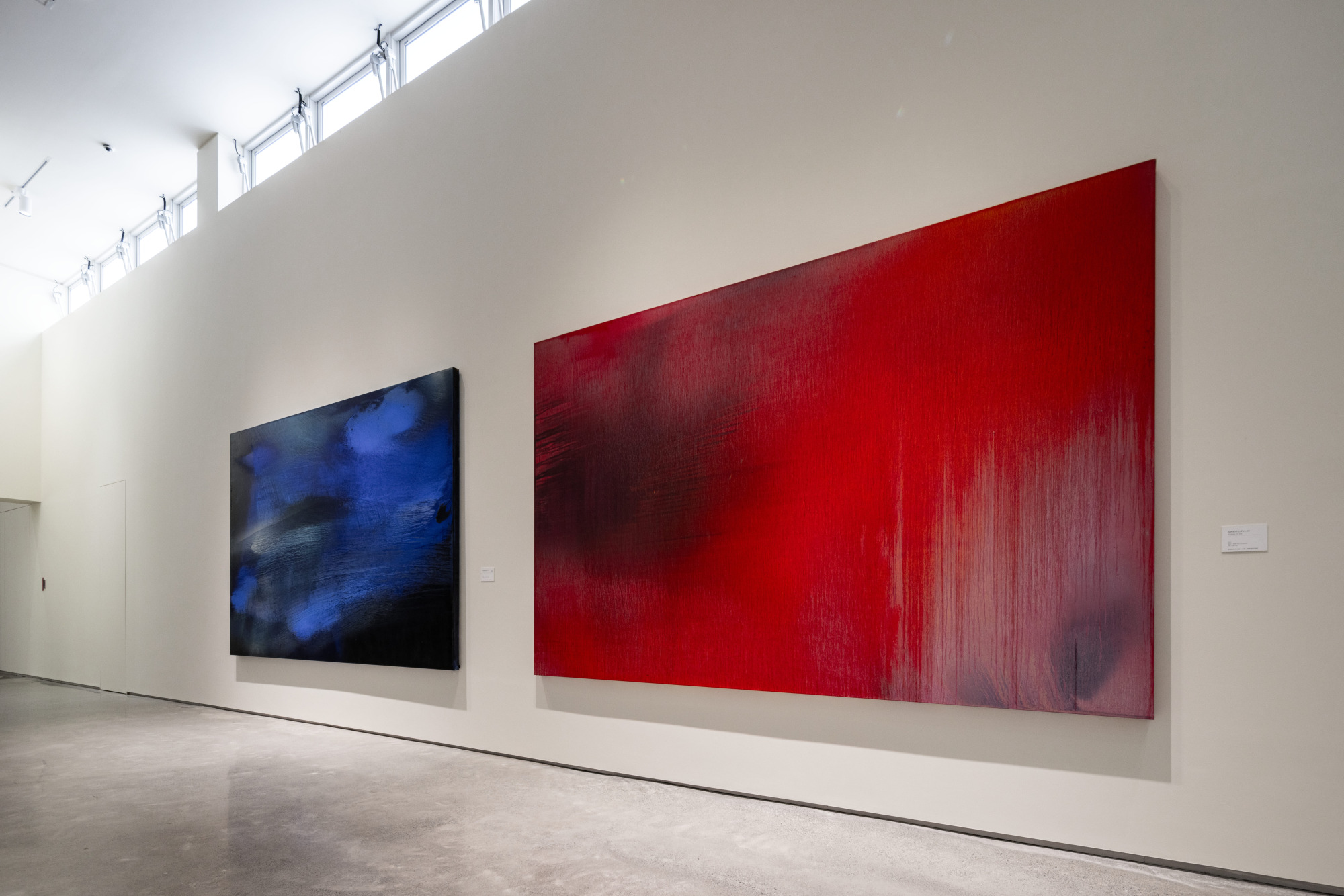
Flanking the painting are two dark-toned works from the Silver Lake series, which heighten the luminosity of the central composition.
Zhang likens these contrasting qualities to The Iliad and The Odyssey. One embodies struggle, honor, and destiny; the other, resilience through a long journey home. Together, they reveal Chiang’s lifelong pursuit of balancing movement and stillness, complexity and clarity — a visual record of decades spent before the canvas.
A Chapel Without a Creed
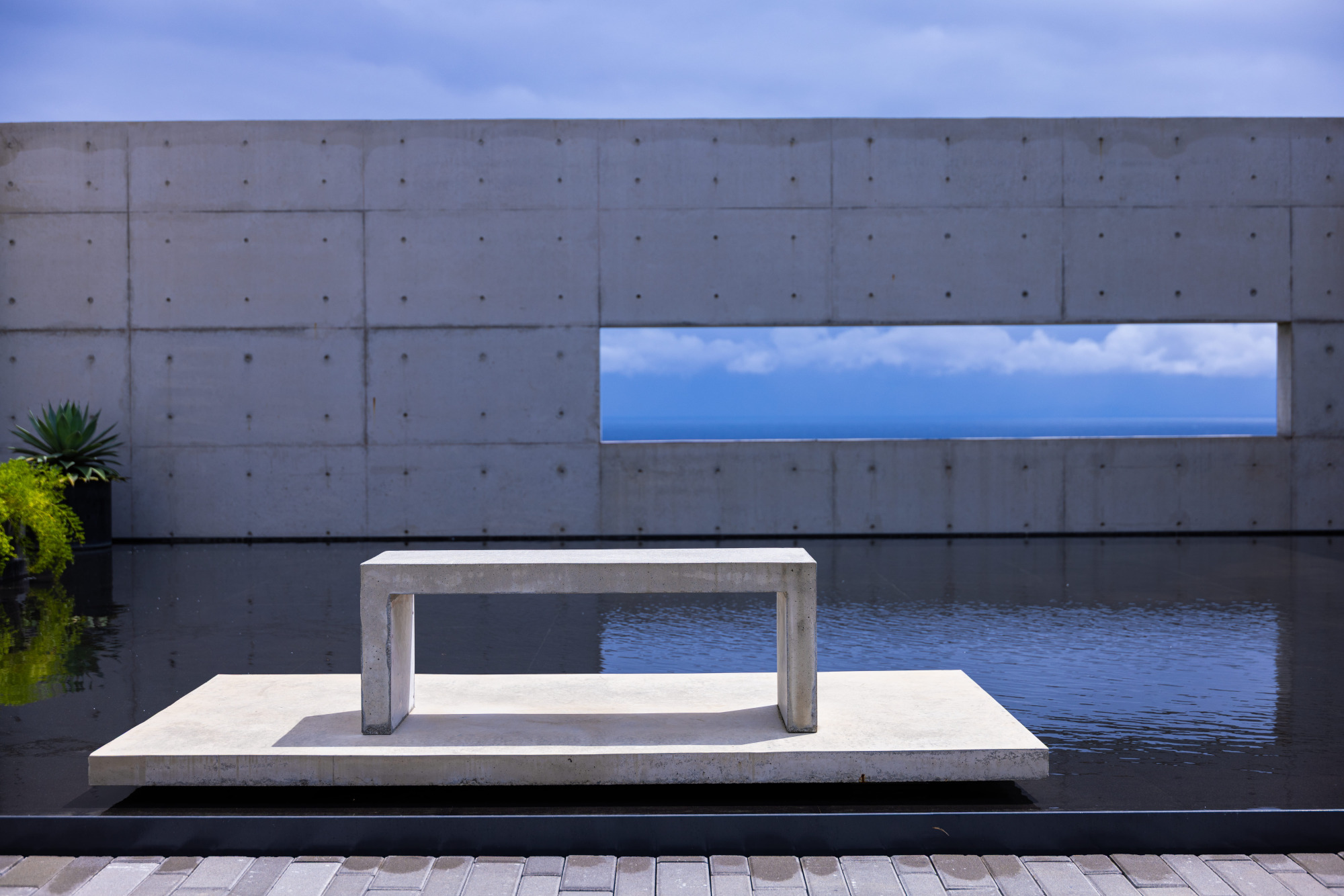
The conversation turned eventually to the Paul Chiang Art Center in Taitung — a sprawling complex the artist built on Taiwan's wind-swept Pacific coast, combining studios, gardens, a reflecting pond, and galleries into something that feels more like a sanctuary than a museum.
"The moment you walk in, whatever was weighing on you that morning just dissolves," Zhang said. He donated one of his most treasured works from his collection — Pisirian 11-03, which had served as the signature image for Taiwan's 60th Golden Horse Film Festival — back to the Center, returning the painting to its spiritual home.
He reached for an analogy: the Rothko Chapel in Houston, where Mark Rothko's large-scale abstract paintings surround visitors in a non-denominational space created for quiet contemplation. "It doesn't require you to belong to any tradition. It has the quality of a chapel — but it's open to everyone. Paul Chiang's Center does the same thing, except it places that stillness amid the mountains and Pacific ocean of Taitung."
A Person, Not a God
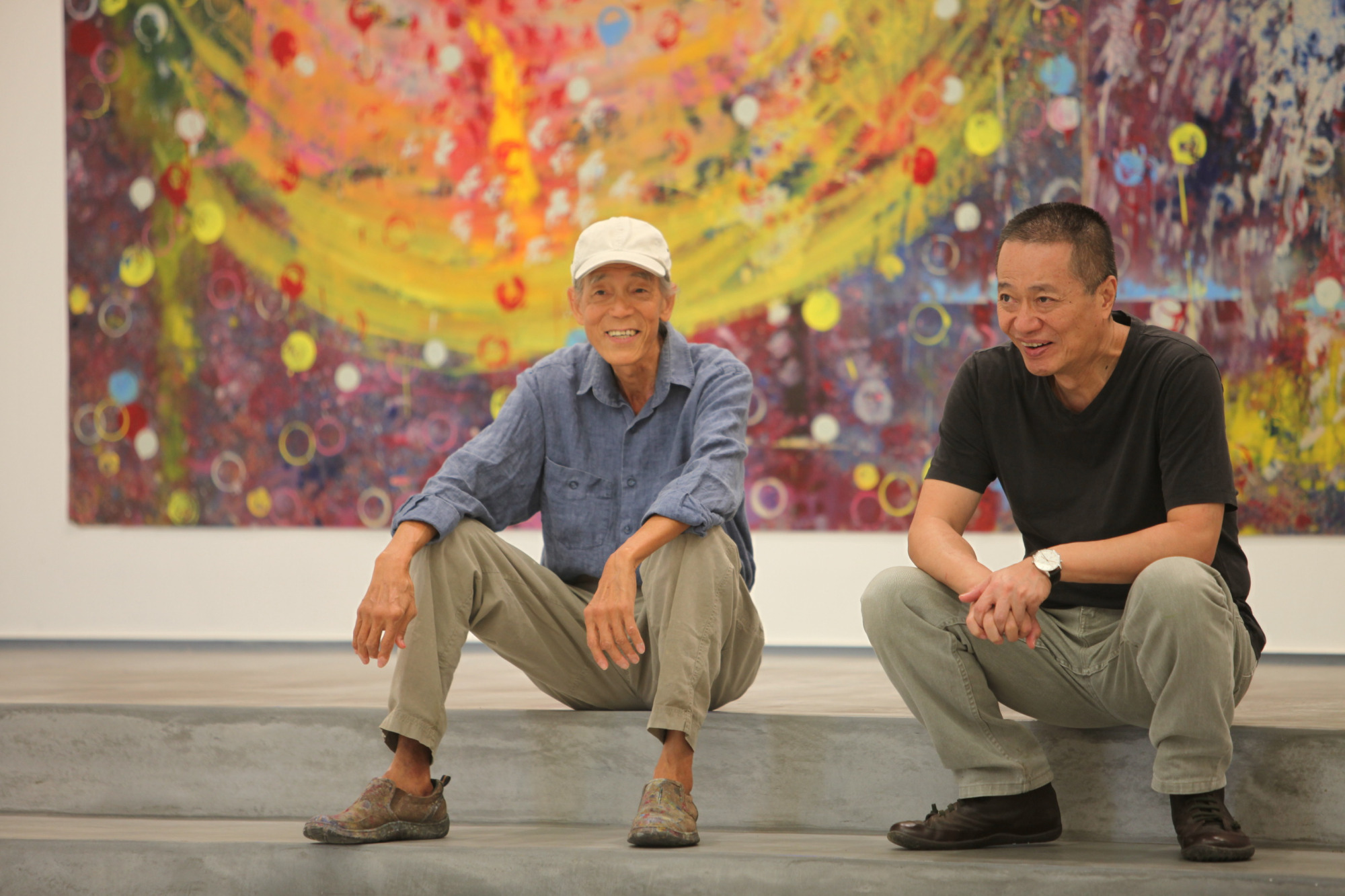
What strikes Zhang most, after more than a decade of close friendship, is how ordinary the extraordinary can look up close. "Books tend to turn people into legends. But knowing Paul Chiang personally, I find it easier to see him as a human being. Every era has its challenges. Everyone has moments of weakness and moments of courage."
The suffering, he says, is real — but so is the discipline. "Good work is wrung out of a person. Paul Chiang's particular struggle takes place in front of a canvas. It's a noble kind of suffering."
For Zhang, the friendship has been an education in itself — in looking, in listening, in understanding how art, music, architecture, and history are ultimately one conversation. "I can't create anything myself," he said quietly. "Being able to appreciate these things — that makes life much richer."
Paul Chiang Art Center is located in Taitung, Taiwan. A major retrospective of the artist's work at the Taipei Fine Arts Museum in 2020 drew nearly 125,000 visitors over three months, setting a record for a solo exhibition during the pandemic period.
Photos courtesy of Dahin Foundation
ART BOX
2F, No. 113, Sec. 2, Zhongzheng E. Rd., Tamsui District, New Taipei City, Taiwan (map)
Visits by appointment only. Please make your reservation at least two days in advance.
Opening Hours
Tuesday–Saturday
9:30 AM–12:00 PM
1:30 PM–5:30 PM
Reservations
+886 2 8809 5377 / +886 965 329 833
artbox0214@yahoo.com