The coastal village of Jinzun in Taitung is internationally known for its surfing competitions. Yet beyond the exhilaration of riding ocean waves, visitors often discover another kind of wave here — a quieter, inward one.
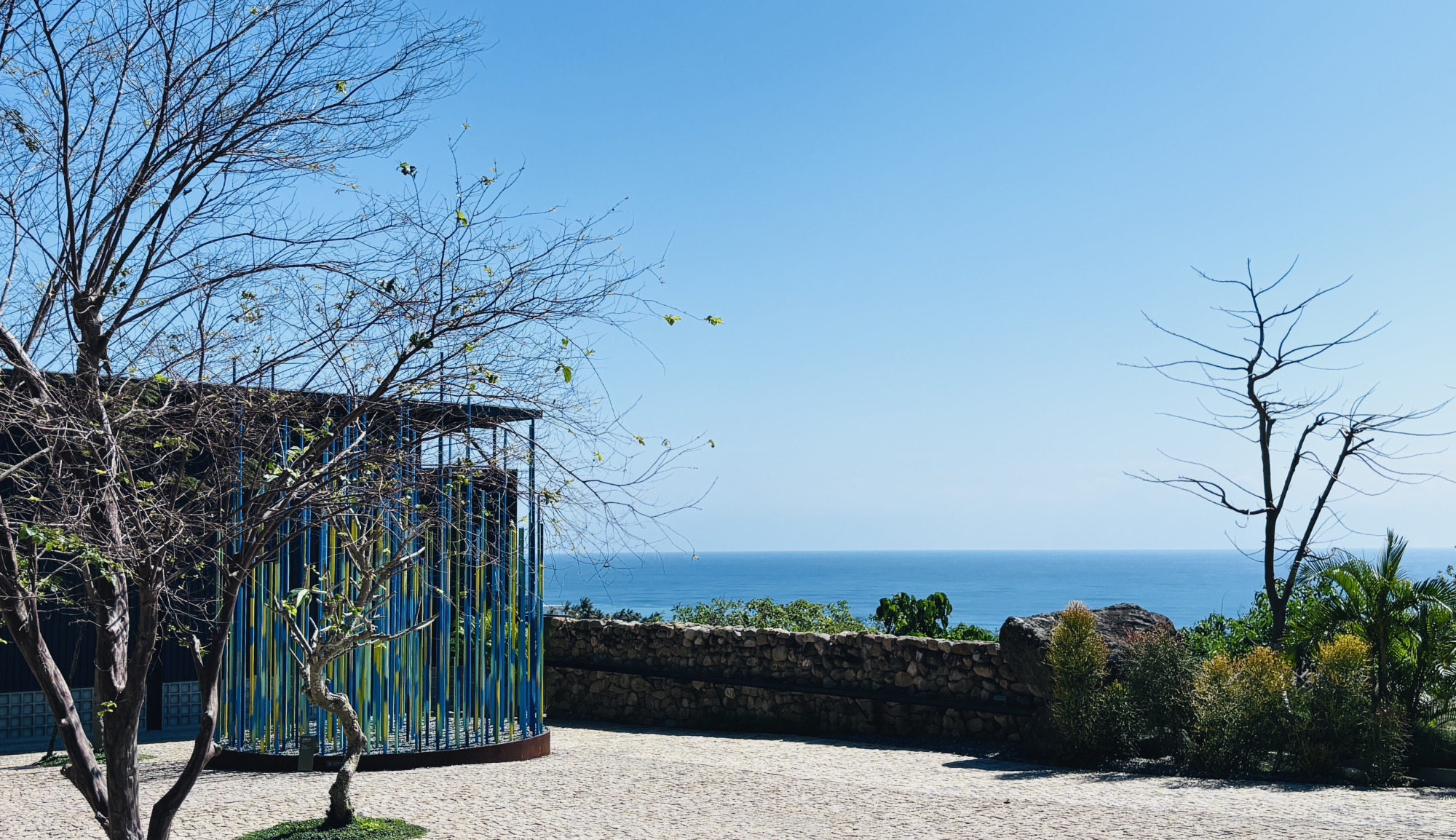
Perched above the Pacific Ocean, the Paul Chiang Art Center offers something increasingly rare: stillness. Through windows overlooking the Serenity Pond and the sea beyond, the view creates a gentle separation from everyday noise. Many visitors find that arriving here feels like more than a museum visit — it’s a quiet sanctuary for the mind.
Pianist Mei-Chun Chou describes the human interior as “a multi-voiced orchestra.” Modern life, she says, overwhelms the senses until people gradually lose touch with themselves. But in spaces like the Art Center, there is an opportunity to listen again — to rediscover the “conductor” within and allow the many emotional voices within to find harmony.
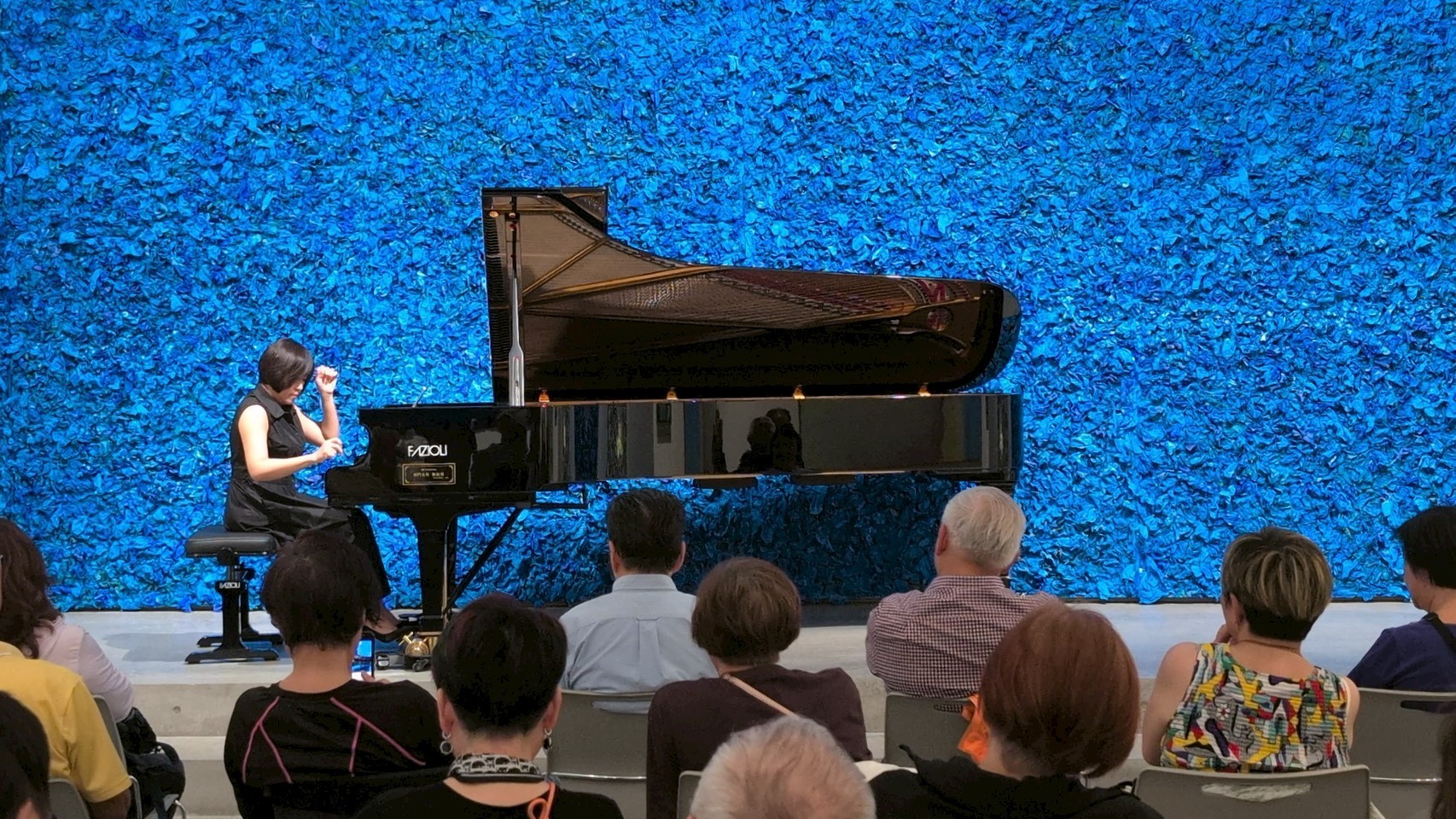
Since May 2025, the Art Center has hosted monthly Salon Concerts: intimate performances designed not simply as recitals, but as encounters between art, music, architecture, and perception. Rather than sitting at a distance, audiences experience music in close proximity to Paul Chiang’s monumental paintings, allowing sound and color to resonate together.
Learning to Listen in Stillness
Born in Chenggong Township on Taiwan’s east coast, Chou began studying piano at the age of seven. After graduating from the University of Music and Performing Arts Graz, she devoted much of her life to music education in rural Taiwan.
Soon after the Art Center opened in 2025, Stanley Yen, co-founder of the Art Center, would frequently invite her to give impromptu performances inside Gallery 2, once Paul Chiang’s studio. Through countless visits and performances, Chou developed a relationship with the space unlike that of a typical concert musician.
“I often improvise pieces inspired by the Sound of Ocean there,” she recalls. “Audience members tell me they feel as though they are underwater, surrounded by the acoustics of the deep sea. Others say that because of the music, the paintings seem to move.”
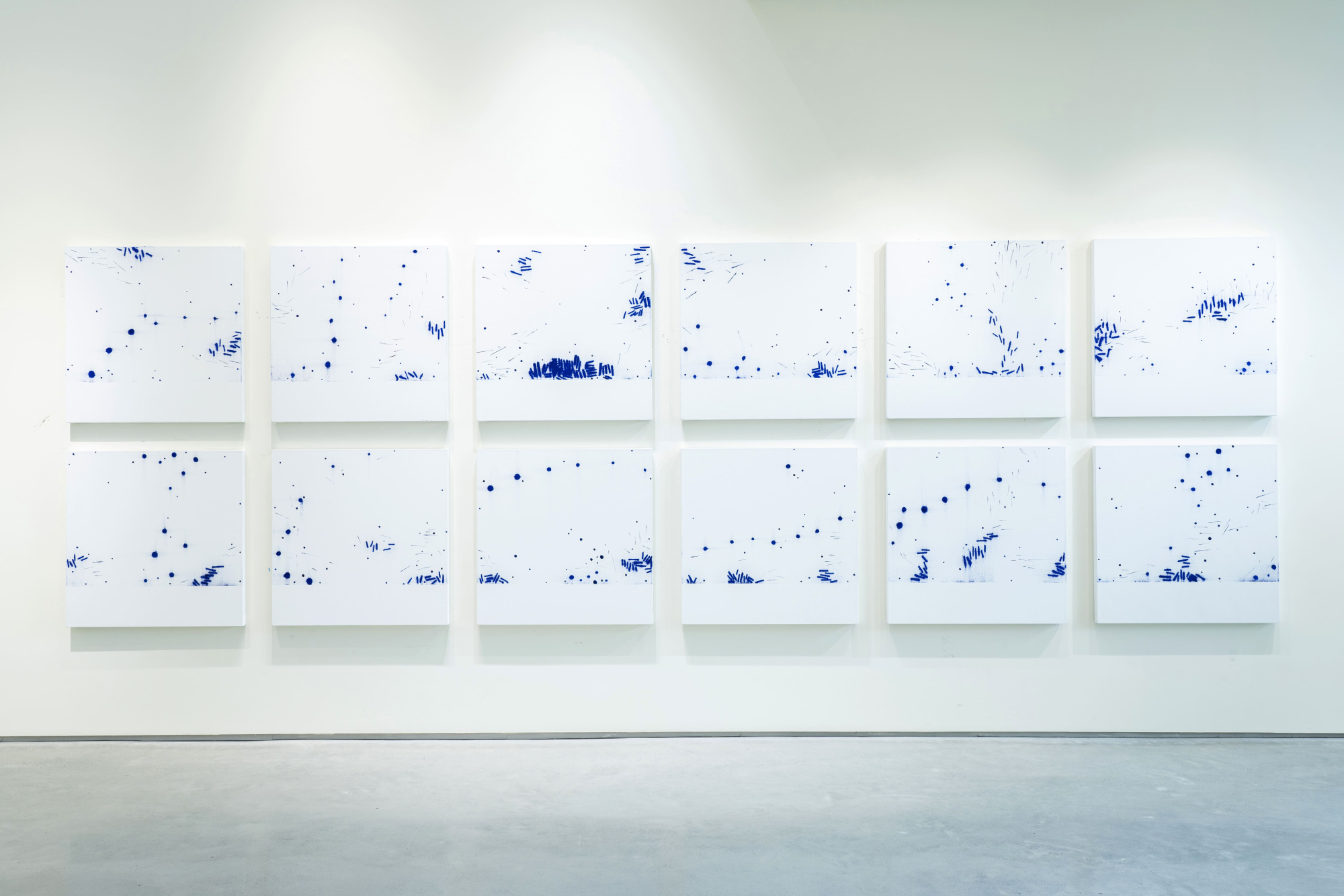
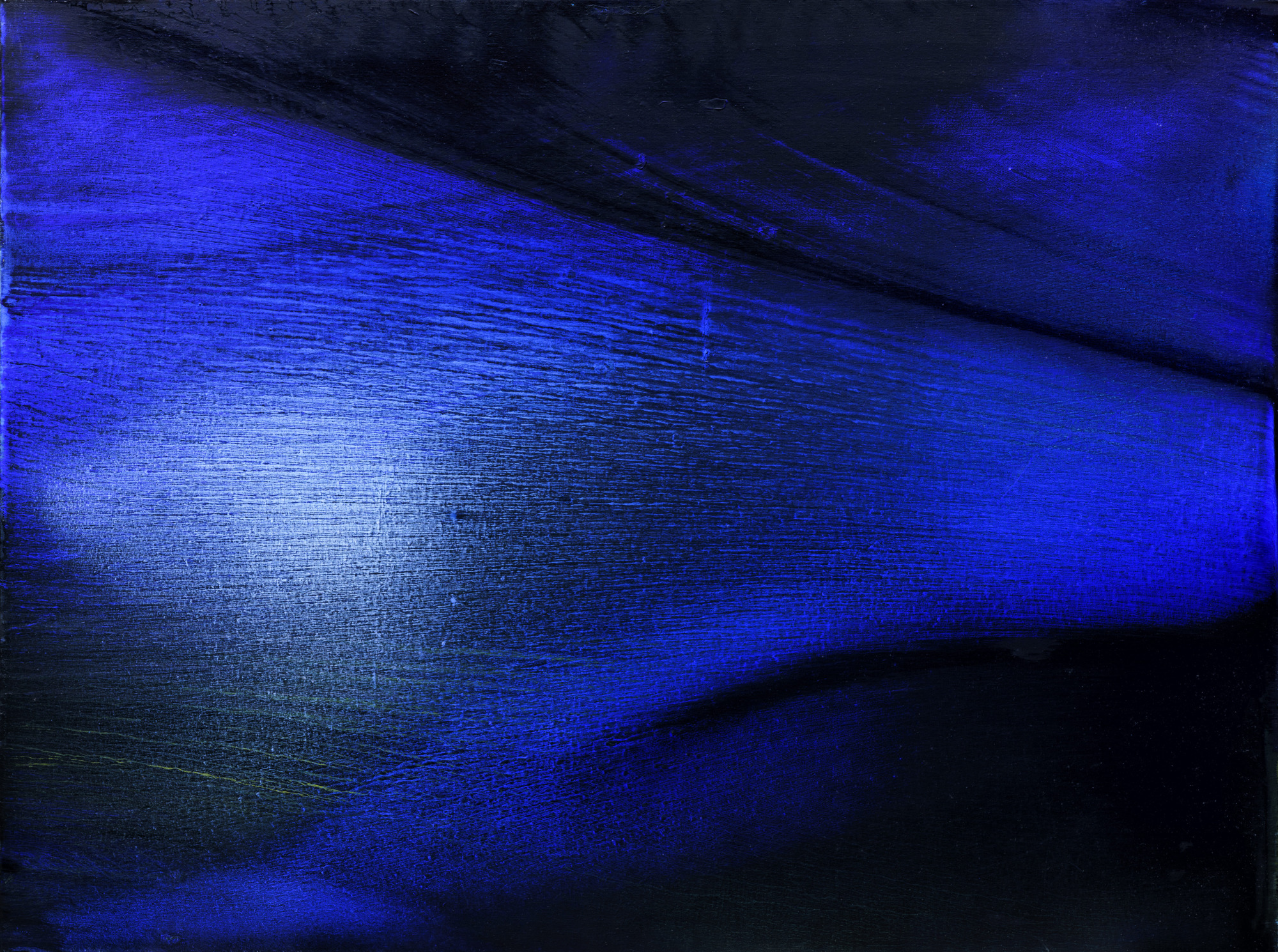
For Paul Chiang himself, music has always been inseparable from painting. He creates within a cocoon of sound, painting while fully immersed in music played at maximum volume — Bach, Schönberg, Debussy, among others. Many of his works even borrow titles from musical compositions, including Afternoon of a Faun, On Wings of Song, and Transfigured Night (Verklärte Nacht).
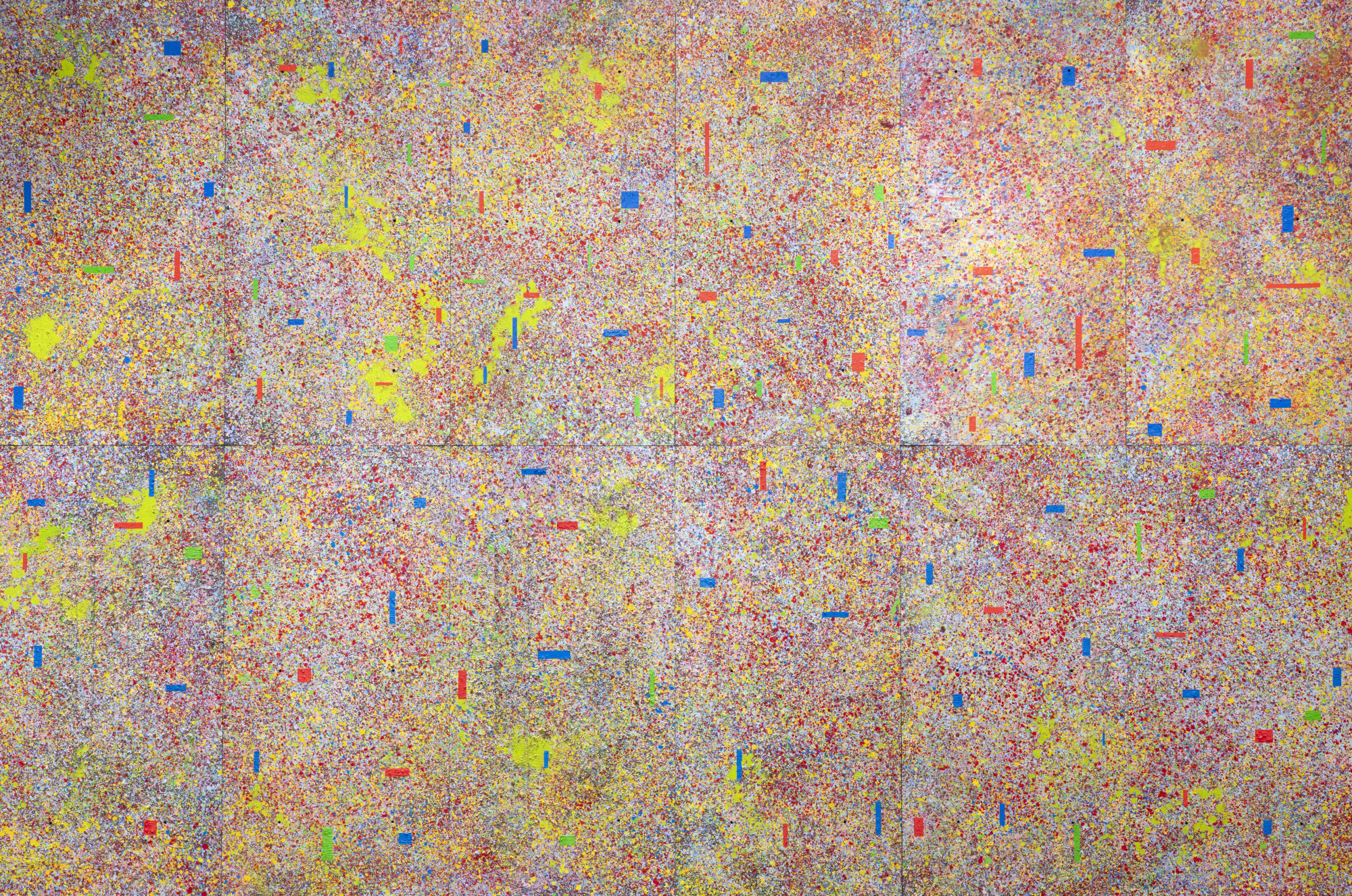
Chou believes Chiang’s paintings contain not only color, but also what she calls “a kind of scent” — an emotional residue that awakens memories within the viewer. “It feels as though the paintings hold traces of our past emotions,” she says. “Something abstract, but deeply familiar.”
For her, the Art Center’s greatest power lies in its quiet. “The body already contains its own healing force,” she explains. “A quiet kind of strength.”
She describes the Art Center as a place for practicing awareness. Visitors standing before the paintings often find their gaze moving with the rhythms of music played nearby, drifting between layers of light and shadow as though sharing in the artist’s emotional state.
Music Beyond the Concert Hall
Gallery 2 was never designed as a concert hall. Its high ceilings and large rectangular structure create long reverberations; the space lacks the sound absorption musicians usually expect from professional venues.
“The Art Center taught me how to play differently,” Chou says. “I had to let go of my assumptions about sound. I couldn’t approach the space with the mindset of a traditional concert hall.”
One of her former students, now a professional musician in Europe, once visited and immediately felt comfortable performing there. “In Europe,” the student remarked, “many large churches have exactly this kind of resonance.”
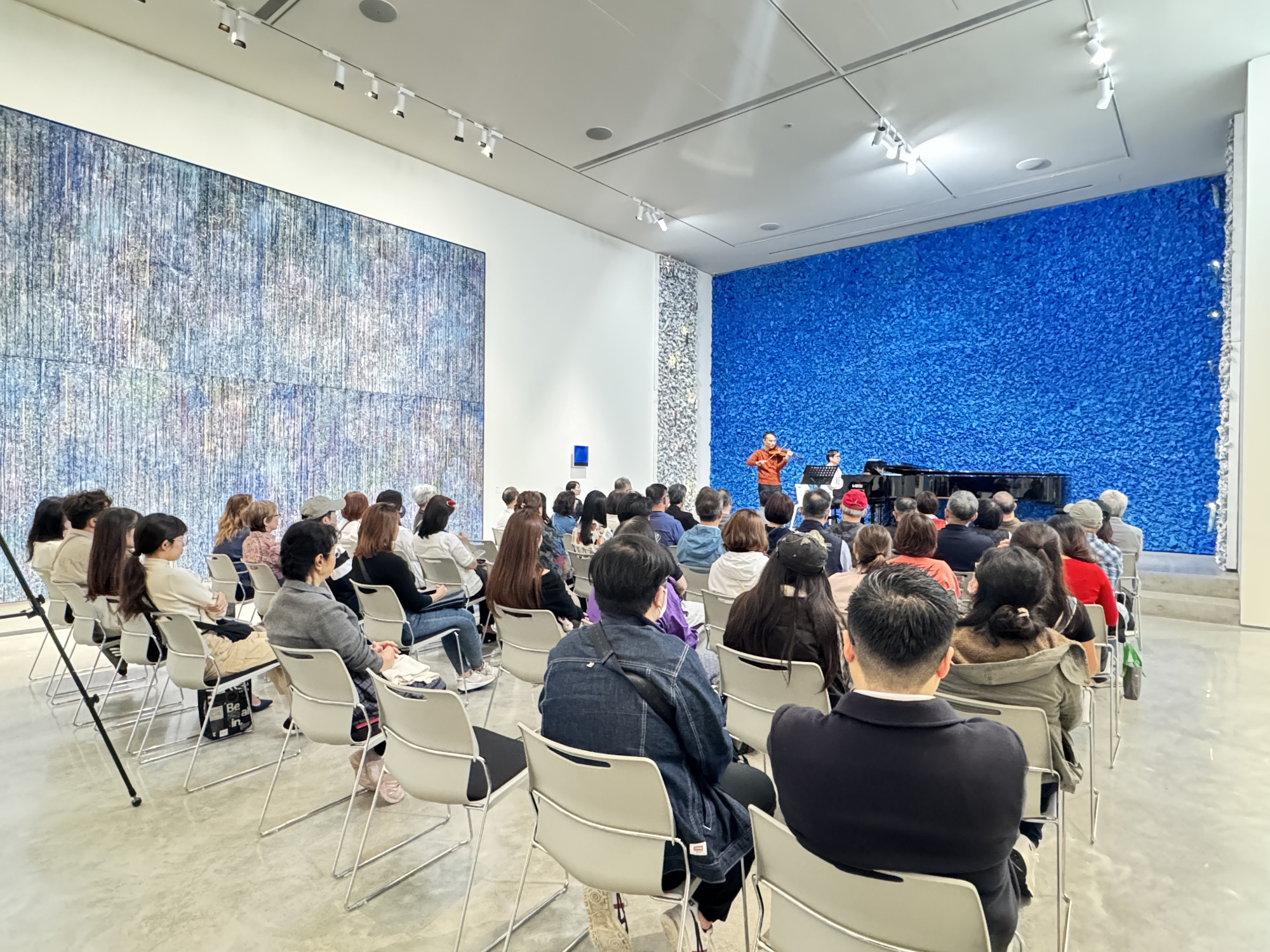
Rather than resisting the space, Chou believes musicians can adapt through touch, phrasing, and repertoire selection. In this way, the building itself becomes part of the performance.
One visitor from Taipei experienced this unexpectedly during a spontaneous performance at the Art Center. After hearing Chou play, she asked in amazement whose idea it had been to place a grand piano inside the gallery. Having visited museums around the world, she said she had never encountered a space where music and visual art blended so naturally.
“What you hear here,” Chou says, “feels like a sound emerging from within the artworks themselves — not music imposed on top of them.”
A Nonverbal Form of Guidance
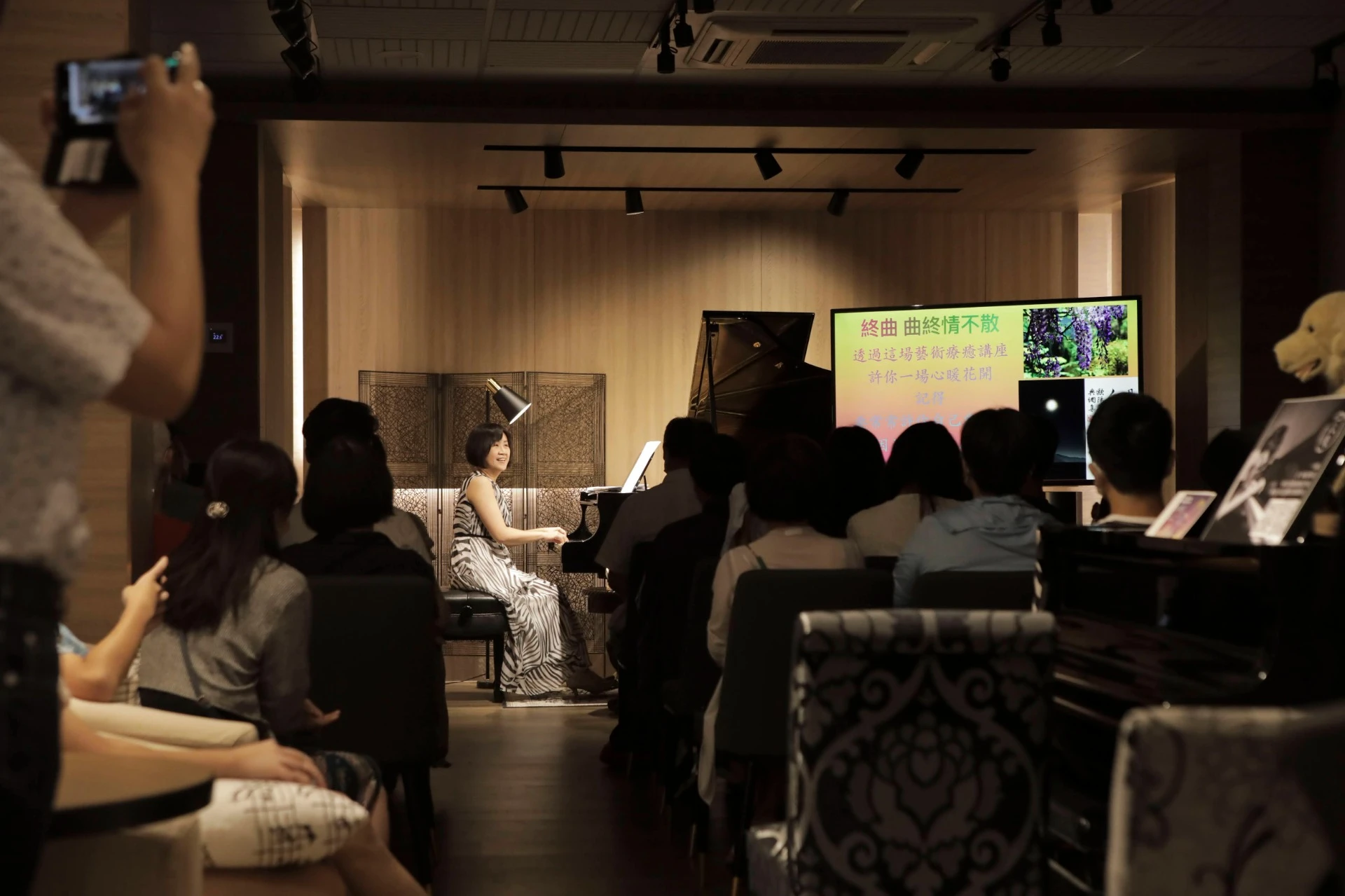
In downtown Taitung, hidden inside a pharmacy, a small music space called Einfach Hall, founded by Chou in 2018. For Chou, music is not merely performance; it is an extension of breathing and bodily awareness.
She remembers once performing Bach when an audience member told her afterward: “I always thought Bach felt distant, but when you played it, it felt close.”
“I told him,” Chou recalls, “‘That’s because I put breathing into it. It feels close because someone is breathing with you.’”
That philosophy now shapes the Art Center’s Salon Concert series. For Chou, these performances are not only about presenting high-level music to visitors from afar; they also carry a deeply local meaning.
She herself was once a young girl practicing piano in the small coastal town of Chenggong, dreaming of studying music in Europe. At seventeen, determined not to burden her family financially, she moved alone to Austria to attend a tuition-free national university.
Today, she hopes the Art Center can become a place where musicians who love sharing life stories may engage in dialogue with world-class art and audiences from around the world.
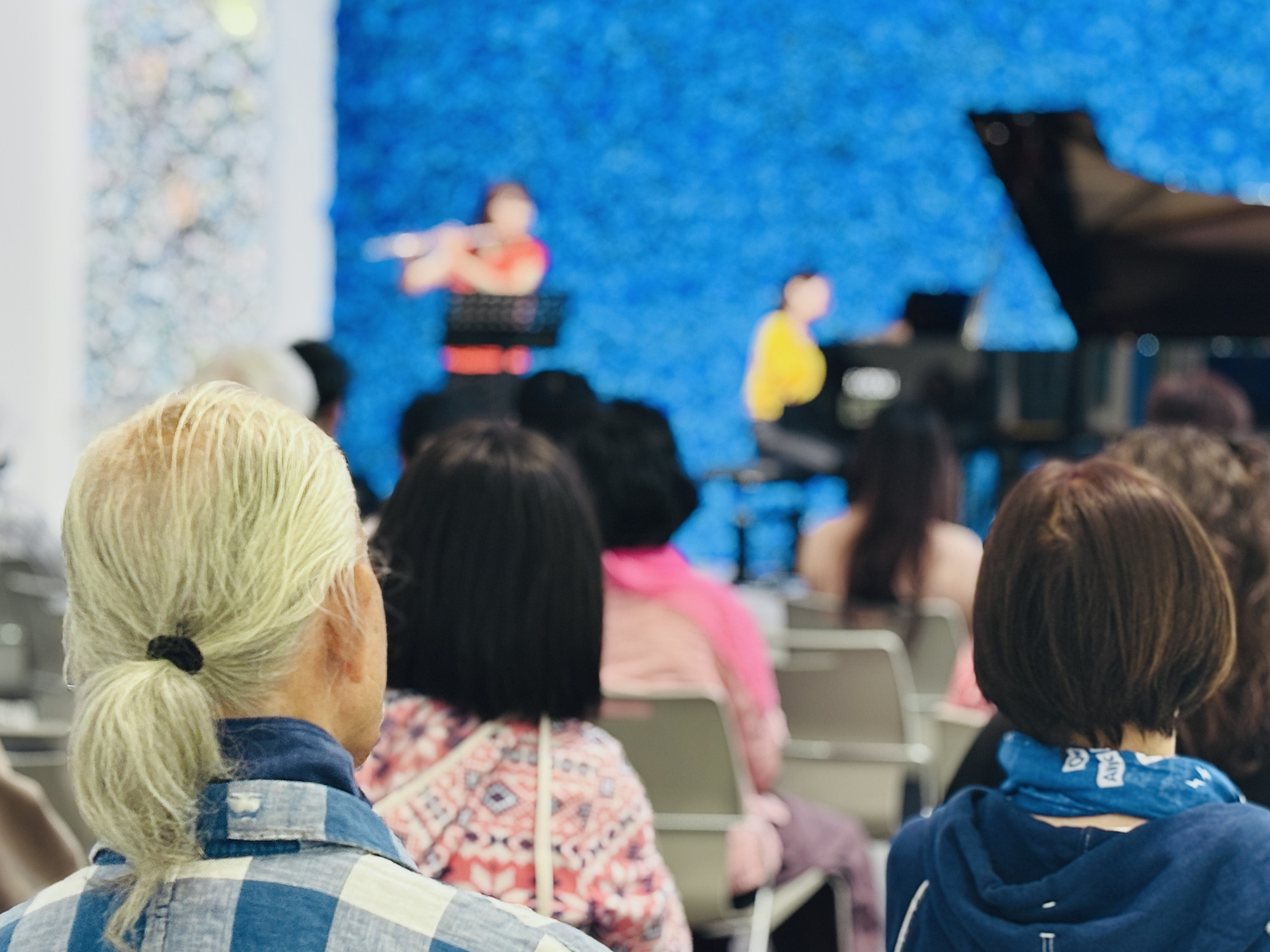
Throughout the summer months, Chou and fellow musicians will continue presenting performances inspired by Paul Chiang’s life and works. Inside Gallery 2, melodies rise among monumental paintings, and color and sound seem to react to one another like elements in motion.
If you happen to arrive at the right moment, perhaps you, too, may set aside the noise of daily life for a while — and hear, within the resonance of color and music, the long-forgotten voice of your own inner orchestra.
→ Explore the Summer 2026 Concert Series Curated by Mei-Chun Chou.
❏ This article also appears in our bimonthly e-newsletter. You’re warmly invited to subscribe to the Paul Chiang Arts & Cultural Foundation newsletter. Each issue features a cover story, updates from the Art Center, and moments from Paul Chiang’s daily creative practice. We hope these shared stories add a touch of light to your life.
In the Garden of Light & Sketches from Europe
2025/10/25 — 2026/8/31
Open Wed–Mon (closed Tue)
10:00–17:00 (last entry 16:30)
Book 1 day in advance & save 20% general admission.